
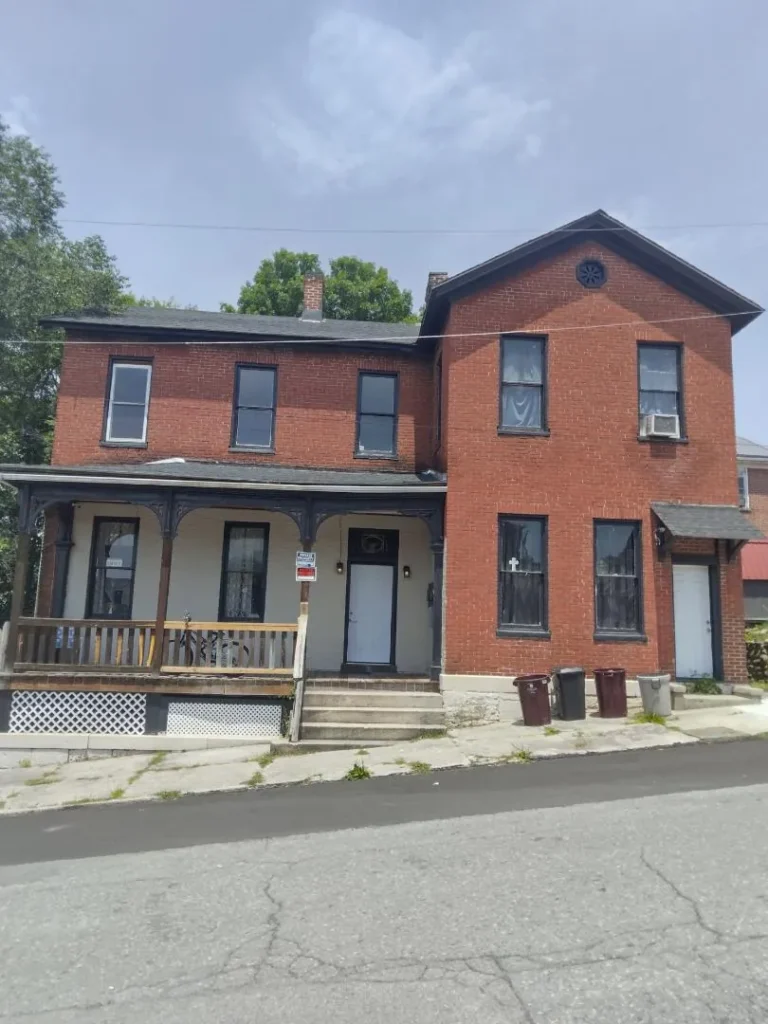
An empty rental in Western Maryland needs one of two things before winter: steady heat, or a plumbing system that has been drained. If the home is on the market, keep the heat on. A burst pipe in a home with nobody inside can run for days before anyone sees it.
This guide is for owners of vacant homes in Cumberland, Frostburg, LaVale and the Georges Creek towns. It covers the choice between heat and draining, the fall checklist, and what to do if a pipe freezes.
Why an empty home is at more risk
When a tenant lives in a home, someone notices a cold room, a drip or a stain on the ceiling. In an empty home, nobody does. The mountains of Allegany County get hard freezes, and an old house with pipes in an outside wall has little margin.
Vacancy also changes your insurance. Read your policy for a vacancy clause. Many policies limit or exclude water damage and freezing once a home has sat empty for a set number of days, and the number is different for each policy. Ask your agent in writing what they require, such as heat left on or the system drained. Do this before the first hard freeze, not after a claim.
Choose one: heat on or drained
Keep the heat on if the home is listed, being shown, or will have a tenant within the next few weeks. The City of Cumberland also expects utilities to be on before its inspection of a vacant unit, so a drained home has to be refilled and tested before a new tenant can move in. We tell our residents to set the heat no lower than 55 degrees, and an empty home should be no lower.
Drain the system only if the home will sit empty for months and nobody will show it. Draining means more than shutting off the water. The main valve is closed, every faucet is opened, the water heater is emptied, toilets are flushed and their tanks and bowls are drained, and plumbing antifreeze goes in the traps. Have a licensed plumber do it and give you a written note of what was drained. A heating system with water in it, such as a boiler or radiators, needs a licensed contractor to drain it or fill it with the right antifreeze. Do not use car antifreeze in a home’s plumbing.
Leaving the heat off and the water on is the one choice that does not work.
The fall checklist if you keep the heat on
- Have the furnace or boiler serviced in the fall and change the filter. A heater that fails in January can freeze an empty home.
- Set the thermostat to 55 degrees or higher and put in fresh batteries. A dead battery can shut a heater off with no warning.
- Find the main water shut-off and make sure it turns. Tag it, and write down where it is for whoever checks the home.
- Disconnect garden hoses from outside spigots and shut off any outdoor valve from inside.
- Open the cabinet doors under kitchen and bathroom sinks that sit on outside walls, so warm air reaches the pipes.
- Seal gaps around windows, doors and basement vents. Close the fireplace damper and lock every window.
- Clear the gutters before leaves freeze in them, so water does not back up at the roof edge.
- Test the smoke and carbon monoxide alarms when the heat first comes on for the season.
- Plan for the walk and steps. Untouched snow tells everyone the home is empty, and a drifted step is a fall waiting to happen.
Who checks the home
A vacant home needs regular visits in winter, and the person visiting needs a short list. On each visit, look at four things:
- The thermostat reading and whether the heat is running.
- The floor and ceiling under sinks, around the water heater and near the washer hookups, for water or stains.
- Windows and doors, for anything open, cracked or forced.
- Mail, flyers and snow, which show the home is empty.
Write down the date and what you found. A dated note helps if you ever have to make an insurance claim.
For homes we manage, the utilities stay in your name and we coordinate the accounts, so the heat and water stay on while the home is empty. The vacancy bills appear on your owner statement under utilities during vacancy. If a pipe or a heater fails, we treat it as an emergency repair. We hire contractors for you (licensed where the trade needs it). The invoice passes through at cost, and our coordination fee is its own line on your statement, so you can see both. The fee is on the pricing page.
If a pipe freezes or bursts
- Shut off the main water valve.
- If water is near the electrical panel or outlets, stay out and call the electric company or 911.
- Open the faucets on the lowest floor to drain the lines.
- Do not thaw a frozen pipe with an open flame.
- Call a licensed plumber. If we manage the home, call us at once at (240) 916-6008.
- Take photos and video of the damage before anything is moved, then call your insurance agent.
Common questions
Can I turn the heat off in a vacant rental to save money?
Only if the plumbing has been drained by a licensed plumber. Heat off with the water still on is how pipes freeze and burst.
What temperature should I keep an empty rental at?
We tell our residents to keep the heat no lower than 55 degrees, and an empty home should be no lower. Check your insurance policy too, because your insurer may ask for a specific setting.
Who pays for the heat and water while a managed home is empty?
You do. The utilities stay in your name, we coordinate the accounts, and the bills show on your owner statement under utilities during vacancy.
Do I need the utilities on to get the home rented?
Yes. The City of Cumberland expects the utilities to be on when it inspects a vacant unit before a new tenant moves in.
Should I drain the system if the home will be empty until spring?
That is a choice to make with a licensed plumber and your insurer. A drained home must be refilled and tested before anyone can live there, so plan for that before you list it.
Own an empty rental in Allegany County?
Get a Free Rental Analysis and we will tell you what the home should rent for. Free rental analysis, back within 3 to 5 business days. No obligation.
Call (240) 916-6008 or email [email protected]. Office hours are 9:00 to 4:00, Monday to Friday.
For the full move-in steps, read Preparing a rental for move-in in Allegany County. For how we handle repairs, see Maintenance Emergencies and After-Hours Repairs. To see where we manage, see Allegany County property management.
Sources
- City of Cumberland, Rental License Program (utilities on and unit vacant before the City’s inspection): https://www.cumberlandmd.gov/167/Rental-License-Program
- EPG, Maintenance Emergencies and After-Hours Repairs (55 degrees, winter prevention): https://eastern.properties/renter-resources/maintenance-emergencies/
- EPG, Preparing a rental for move-in in Allegany County (vacancy utilities, contractor pass-through): https://eastern.properties/preparing-a-rental-for-move-in-allegany-county/
- EPG, How to read your EPG owner statement: https://eastern.properties/how-to-read-your-owner-statement/
- EPG, Pricing: https://eastern.properties/pricing/